
%402x.svg)

%20(1).jpg)
.png)
.png)
.png)
Lotus
A first impression finally worth the Expertise behind it.
Using user research and intentional design, I transformed a childlike psychology website into a polished platform that reflects the expertise of its team and earns the trust of prospective clients.
From Human Behavior to Human-Centered Design.
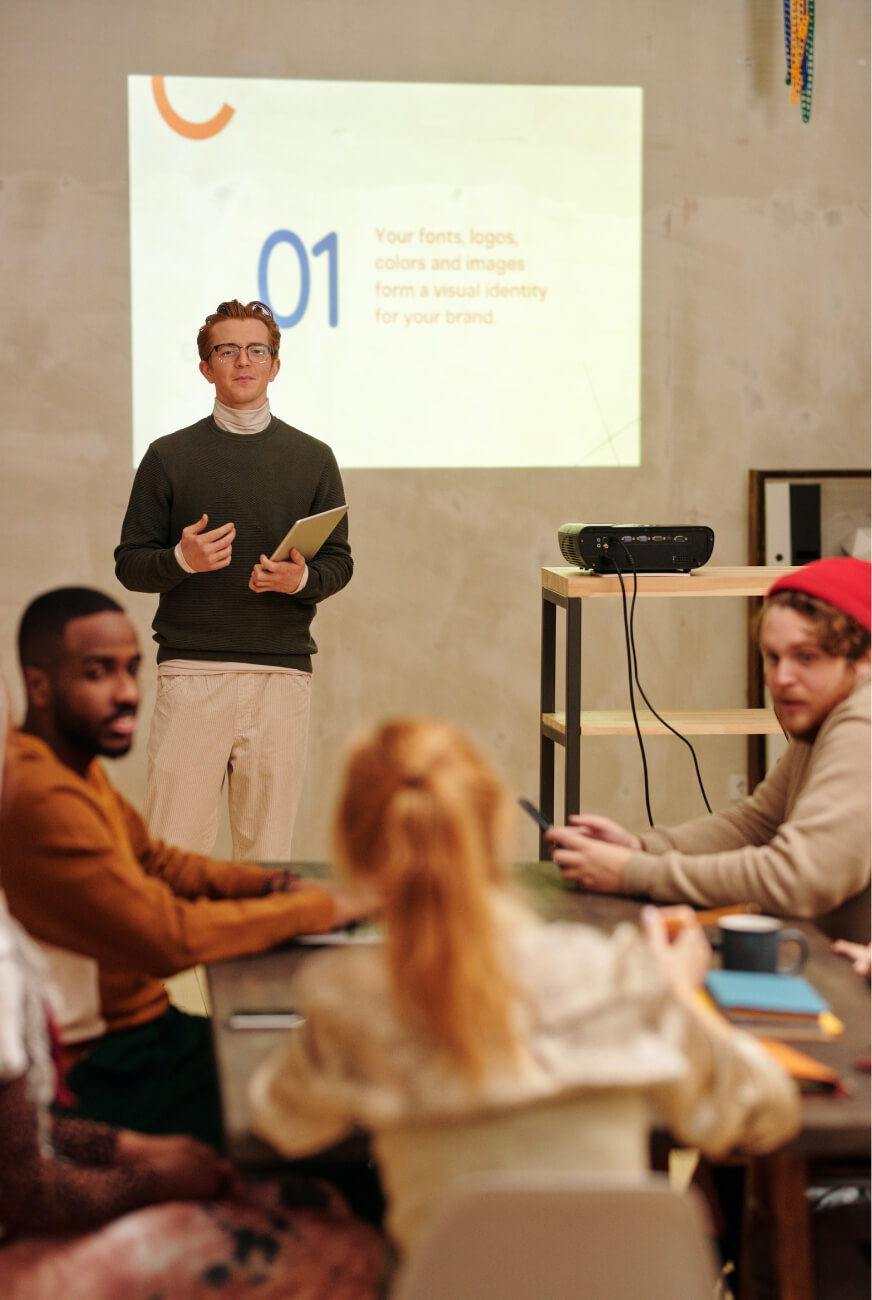
My career started with understanding people, long before I ever opened Figma. That behavioral foundation is what makes my approach to UX and Instructional design a little different.
%402x%20(2).svg)
Built and ran onboarding for new technicians, breaking complex procedures into sequenced, scaffolded steps with hands-on practice and performance checks before anyone worked independently.
Partnered with senior clinicians to analyze performance data, identify training needs, and turn complex behavioral frameworks into training a team could actually execute.
Designed individualized programs by analyzing data, spotting patterns, and adjusting the plan when results called for it. It's the same analyze, design, measure, and revise cycle at the center of good instructional design.
Supported parent and caregiver training so skills held up outside the clinic, because learning only counts if it transfers to the real world.
Trained and coached 30+ behavior technicians, using observation, performance data, and direct feedback to find where skills were breaking down and close the gaps with targeted practice.
Designed and facilitated a monthly training curriculum with senior clinicians as subject matter experts, built around real cases so staff practiced the decisions they'd actually face on the job.
Used ongoing performance data to decide what to train next and when to retrain, treating each session as something to measure, not just deliver.
Coached parents and caregivers to apply the same strategies at home, translating technical procedures into plain language for a non-specialist audience, because behavior doesn't change in a vacuum.
Led a research-informed redesign of the company website, combining UX principles with firsthand knowledge of the behavioral health field to shape how clients and job candidates experienced the brand.
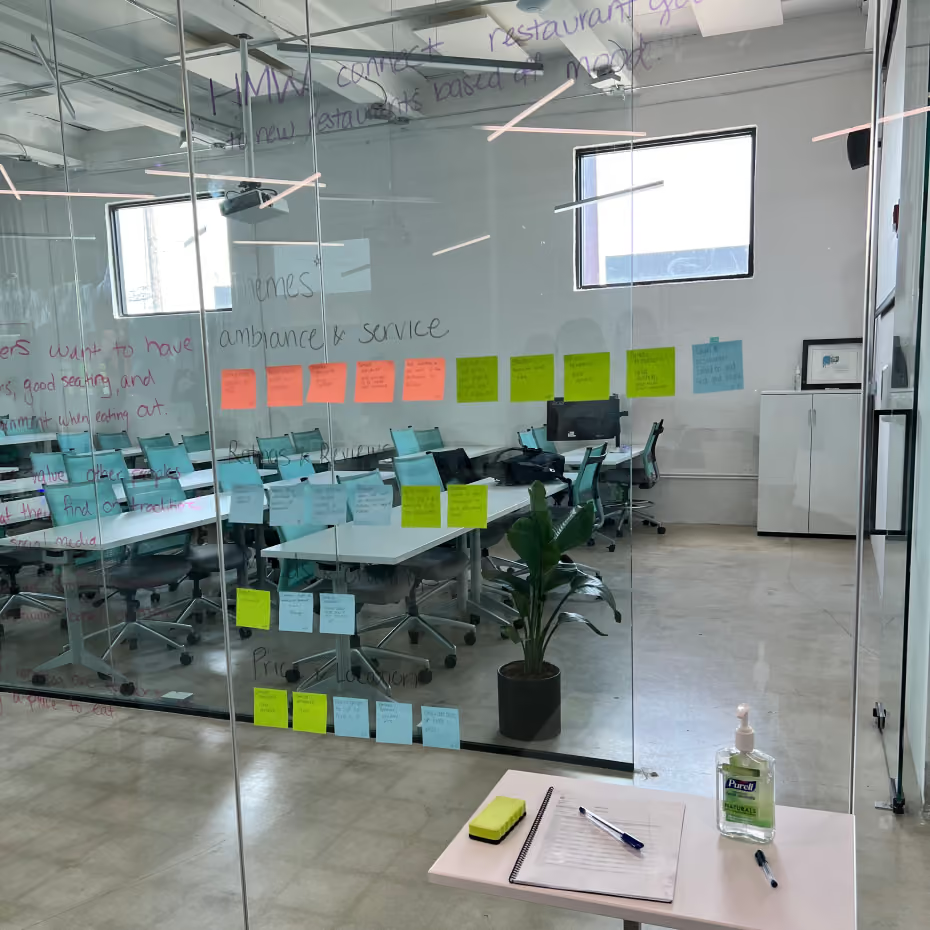
Conducted competitive analysis and usability reviews to improve information architecture, accessibility, and user flow.
Built a WordPress design system that made ongoing updates manageable and consistent.
Applied SEO and behaviorally informed content strategy that doubled site traffic and earned first-page Google rankings for target searches.
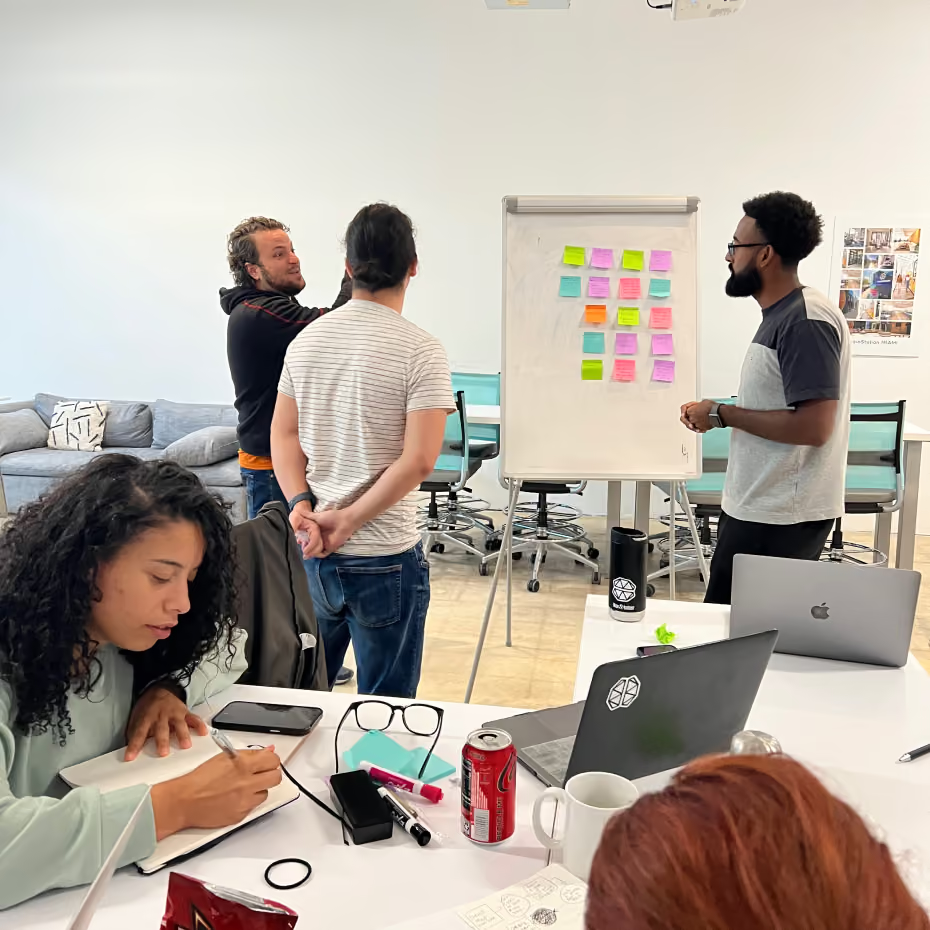
Planned and ran interviews, task analysis, and usability testing with the technicians who used the company's data collection software every day, to see where their workflow slowed down or broke.
Prototyped screen updates in Figma to simplify navigation and reduce friction, then refined them based on testing and feedback.
Synthesized findings into clear recommendations for developers and leadership, helping prioritize what to fix in the next release.
.png)